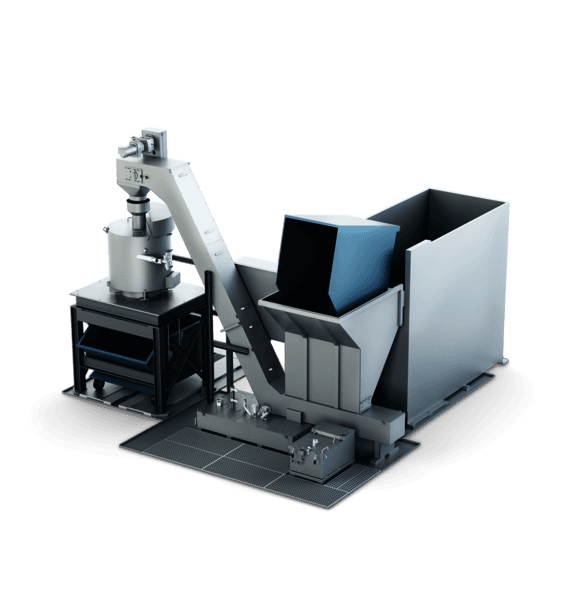
De-oiling Centrifuges
Recover valuable cutting oils and coolants from metal chips. Manual and automatic centrifuges for sustainable metalworking operations.
Up to 99% oil recovery
Recover valuable cutting oils and coolants for reuse in production, reducing consumable costs.
Automatic operation
Fully automatic models with programmable cycles for continuous, unattended chip processing.
High G-force
Centrifugal forces up to 1,000 G ensure thorough de-oiling even of fine chips and sludge.
Fast cycle times
Rapid processing with typical cycle times of 3-10 minutes depending on chip type.
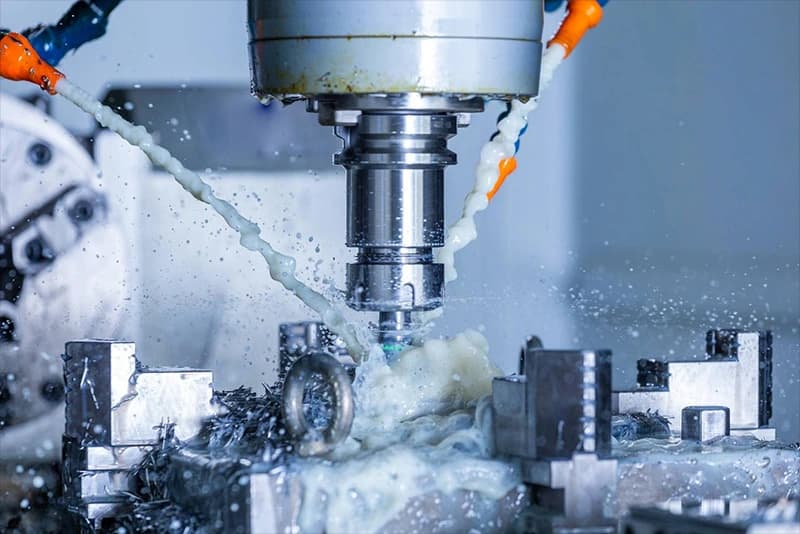
What is chip de-oiling?
Metal machining operations produce chips and swarf contaminated with cutting oils, coolants and emulsions. De-oiling centrifuges spin these chips at high speed, using centrifugal force to separate the liquid from the solid metal.
The recovered oil can be filtered and returned to the machine tools, while the dry chips command a higher price from metal recyclers. This creates a double saving: reduced coolant costs and increased scrap value.
CEPA de-oiling centrifuges are available as manual basket centrifuges for smaller operations, or as fully automatic systems that integrate directly with chip conveyors and coolant systems.
How de-oiling works
Metal chips are loaded into the perforated basket, either manually or via automatic feed. The basket accelerates to operating speed, generating centrifugal forces that drive the oil outward through the perforations.
The separated oil collects in the outer housing and drains to a recovery tank. After the spin cycle, the basket decelerates and the dry chips are discharged, ready for recycling.
Process steps:
- Loading: chips fed into basket
- Acceleration: basket spins up to speed
- Separation: oil forced through perforations
- Collection: oil drains to recovery tank
- Discharge: dry chips removed for recycling
Metalworking applications
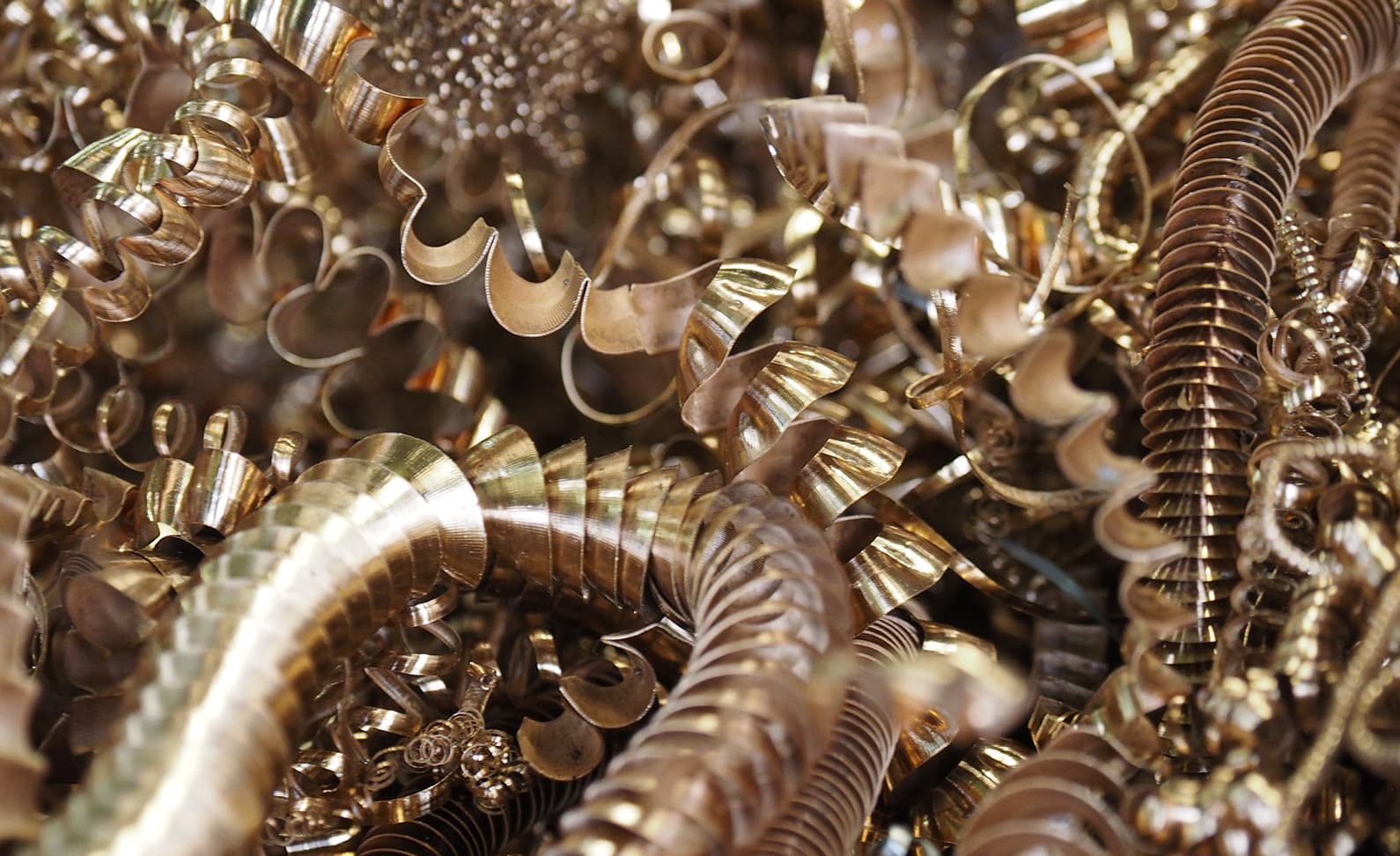
CEPA de-oiling centrifuges process all types of metal chips and swarf from machining operations. They handle everything from coarse turnings to fine grinding sludge.
Turning chips
Steel, aluminum, brass turnings
Milling chips
CNC machining swarf
Grinding sludge
Abrasive grinding residue
Punching waste
Stamping and punching scrap
Bore chips
Drilling and boring waste
Mixed metals
Multi-material chip processing
Specifications
CEPA de-oiling centrifuges are available in various sizes to match your chip volume and production requirements.
400 - 800 mm
Basket diameter
20 - 200 litres
Basket volume
Up to 1,000 G
Max. G-force
2.2 - 11 kW
Motor power
Up to 99%
Oil recovery
Stainless steel
Construction
Why de-oil your chips?
Wet chips contain 5-15% oil by weight. Recovering this oil reduces your coolant consumption and purchasing costs. At current oil prices, de-oiling typically pays for itself within 1-2 years.
Dry chips are worth more to recyclers, often 20-30% more than wet chips. They're also easier to handle, with no dripping or spillage during transport and storage.
Economic benefits:
- Reduced coolant and oil consumption
- Higher scrap metal prices for dry chips
- Cleaner workplace with less oil spillage
- Environmental compliance for chip disposal
Frequently asked questions
CEPA de-oiling centrifuges can recover up to 99% of the oil from metal chips. The exact recovery rate depends on chip type, oil viscosity, and centrifuge settings. Typical recovery rates are 95-99% for most metalworking applications.
CEPA de-oiling centrifuges can process all types of metal chips including steel, aluminum, brass, copper, and mixed metals. They handle everything from coarse turnings to fine grinding sludge.
Typical cycle times range from 3-10 minutes depending on chip type, oil viscosity, and required dryness. Automatic models can run continuously with programmable cycles.
De-oiling centrifuges typically pay for themselves within 1-2 years through oil recovery savings and higher scrap metal prices. The exact payback depends on chip volume, oil costs, and scrap metal prices in your region.
Yes, recovered oil can be filtered and returned directly to machine tools. This significantly reduces coolant and cutting oil consumption, providing ongoing cost savings.
CEPA de-oiling centrifuges require minimal maintenance, typically just periodic cleaning and annual bearing inspection. The robust German engineering ensures reliable operation with low maintenance costs.
Need a de-oiling centrifuge?
Contact us for technical consultation, specifications or a quote. We'll help you select the right centrifuge for your chip volume.
